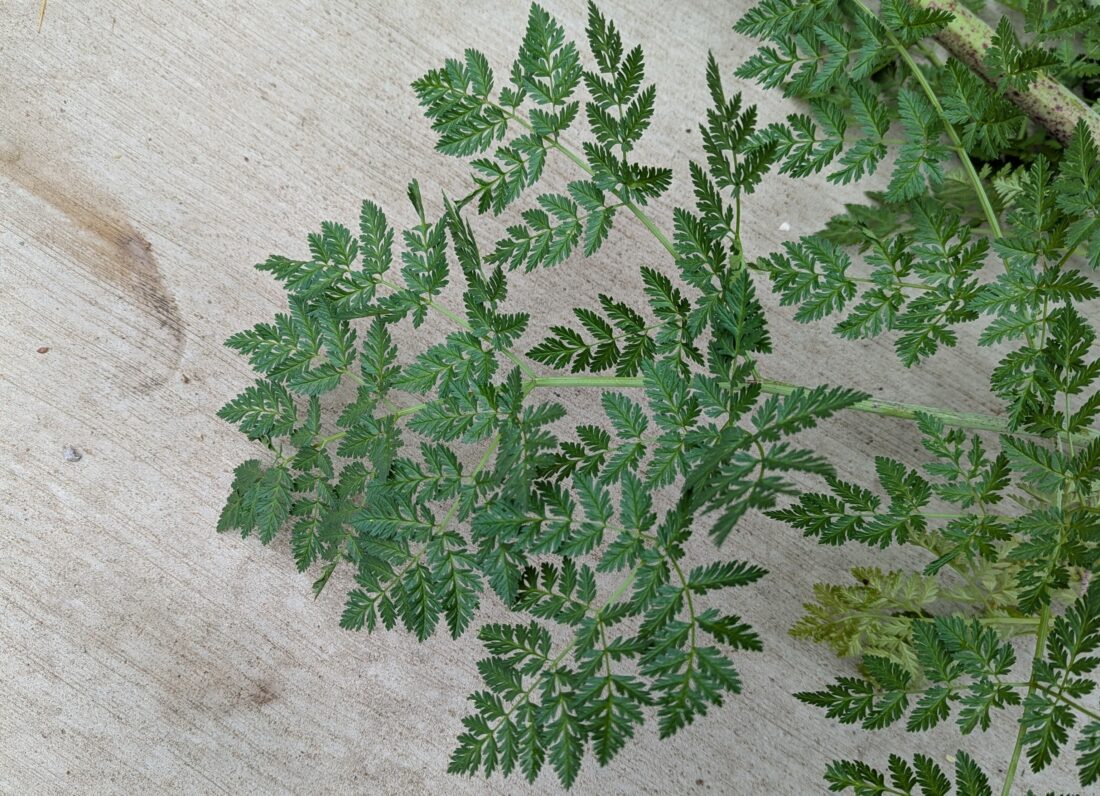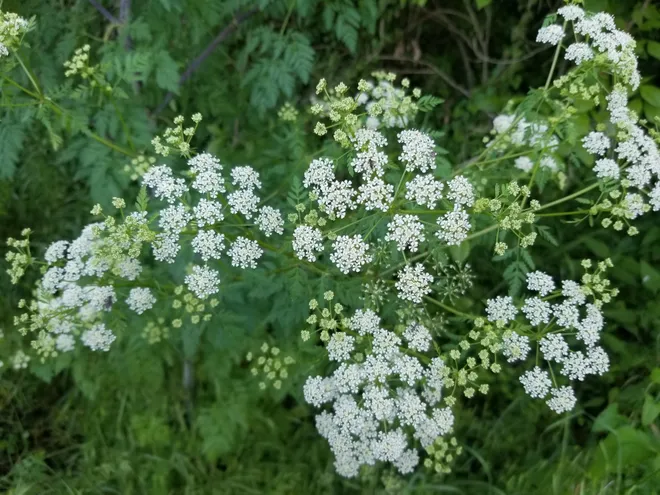
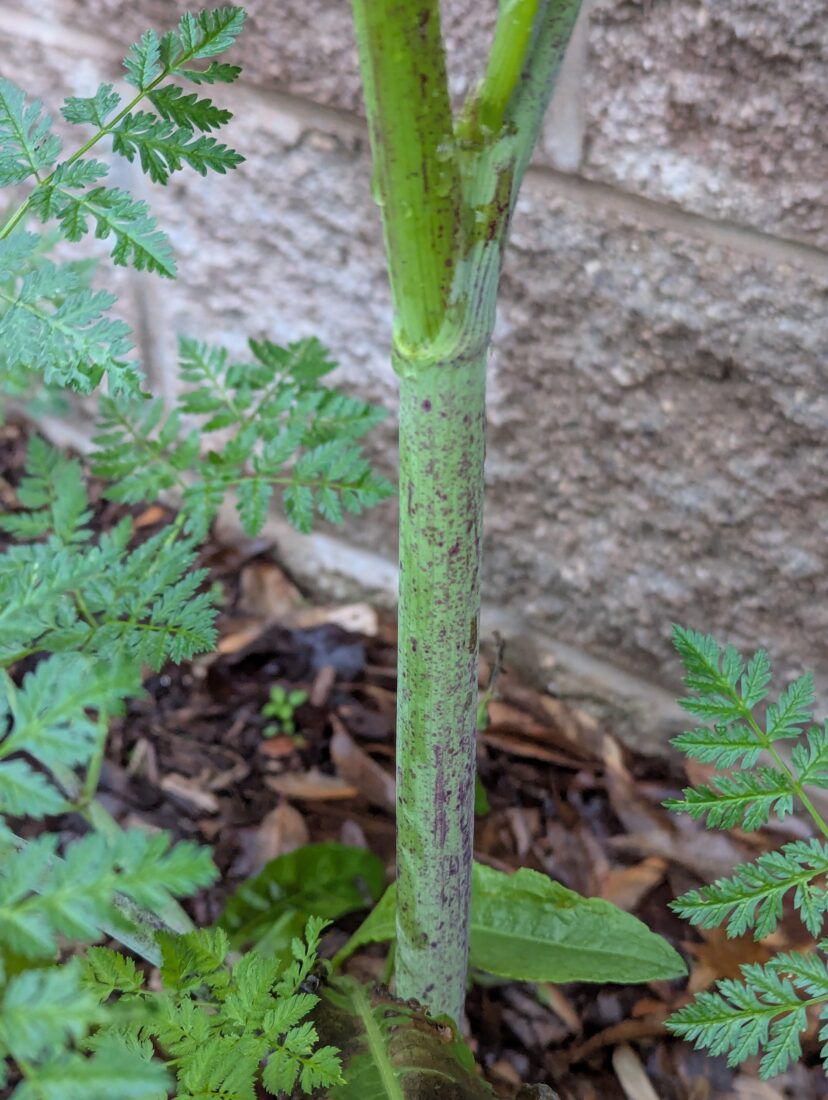
GOSHEN, Ind. — Poison hemlock in Goshen has begun to emerge across neighborhoods, prompting a renewed public safety alert.
City officials report sightings in yards, gardens, pastures, and roadsides as the invasive plant spreads each spring. Poison hemlock poses a serious risk to people and animals.
The plant resembles Queen Anne’s lace but features smooth stems marked with purple spots. All parts contain toxic compounds that can cause severe illness if ingested.
“Poison hemlock is highly poisonous and can appear in common spaces,” said City of Goshen Urban Forester Melanie Helmuth. “Early identification and removal are critical.”
Residents should take precautions when handling the plant:
• Wear gloves and eye protection
• Pull plants by the root
• Bag and place plants in the trash
• Never mow after the plant blooms
• Never burn the plant
City officials urge residents to review identification and removal guidance through Purdue Extension resources.
Poison hemlock in Goshen: Identification and removal
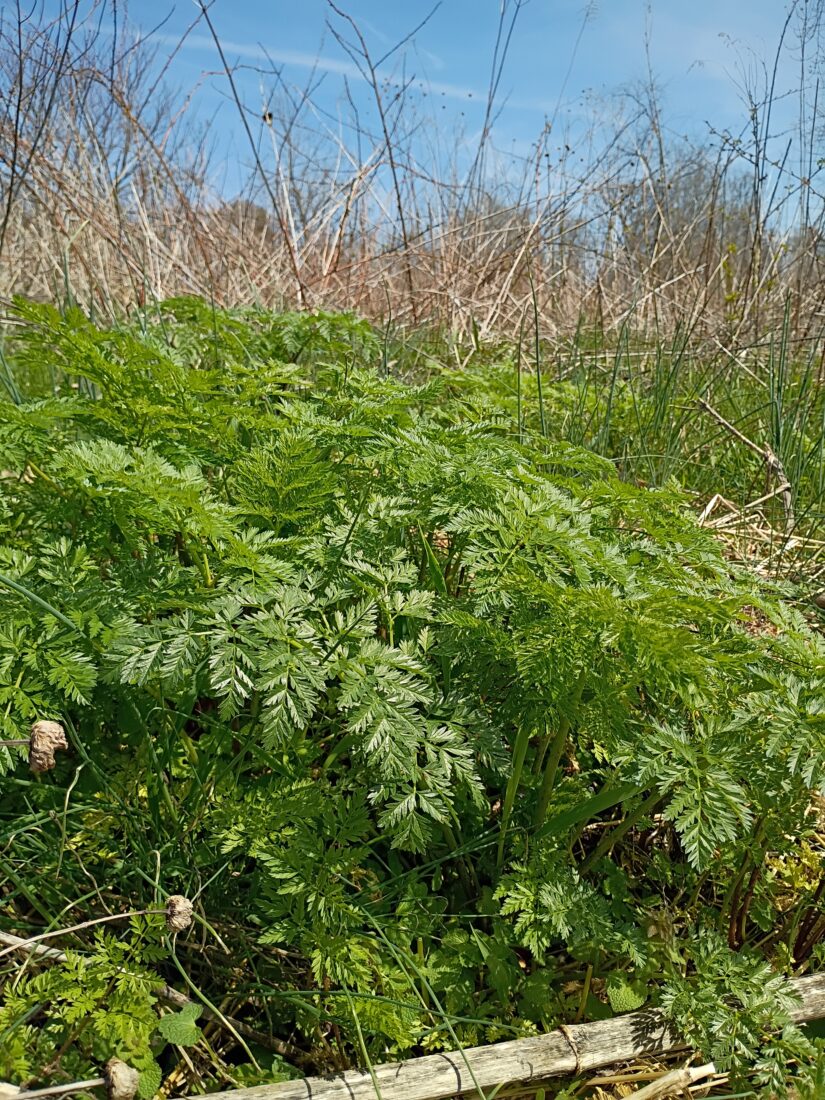
Poison hemlock often appears in early spring and can grow rapidly through summer if left untreated. The plant thrives in disturbed soils and along fence lines, ditches, and roadways, making it common across both residential and rural areas in Goshen.
Accurate identification is essential before removal. In addition to its purple-spotted stem, poison hemlock produces small white flowers in umbrella-shaped clusters. Residents should avoid contact with bare skin and take extra care around children and pets, who may be more vulnerable to accidental exposure.
The City encourages residents to act early and remove plants before they mature and spread seeds. Additional identification tips and safe removal practices are available through Purdue Extension at Control Management of Poison Hemlock
About Environmental Resilience
The City of Goshen Environmental Resilience Department leads local efforts to protect natural resources and strengthen community sustainability. The department supports initiatives focused on water quality, urban forestry, stormwater management, and climate resilience.
Through education, outreach, and partnerships, Environmental Resilience works with residents, businesses, and community groups to promote safe practices, reduce environmental risks, and enhance quality of life across Goshen.